
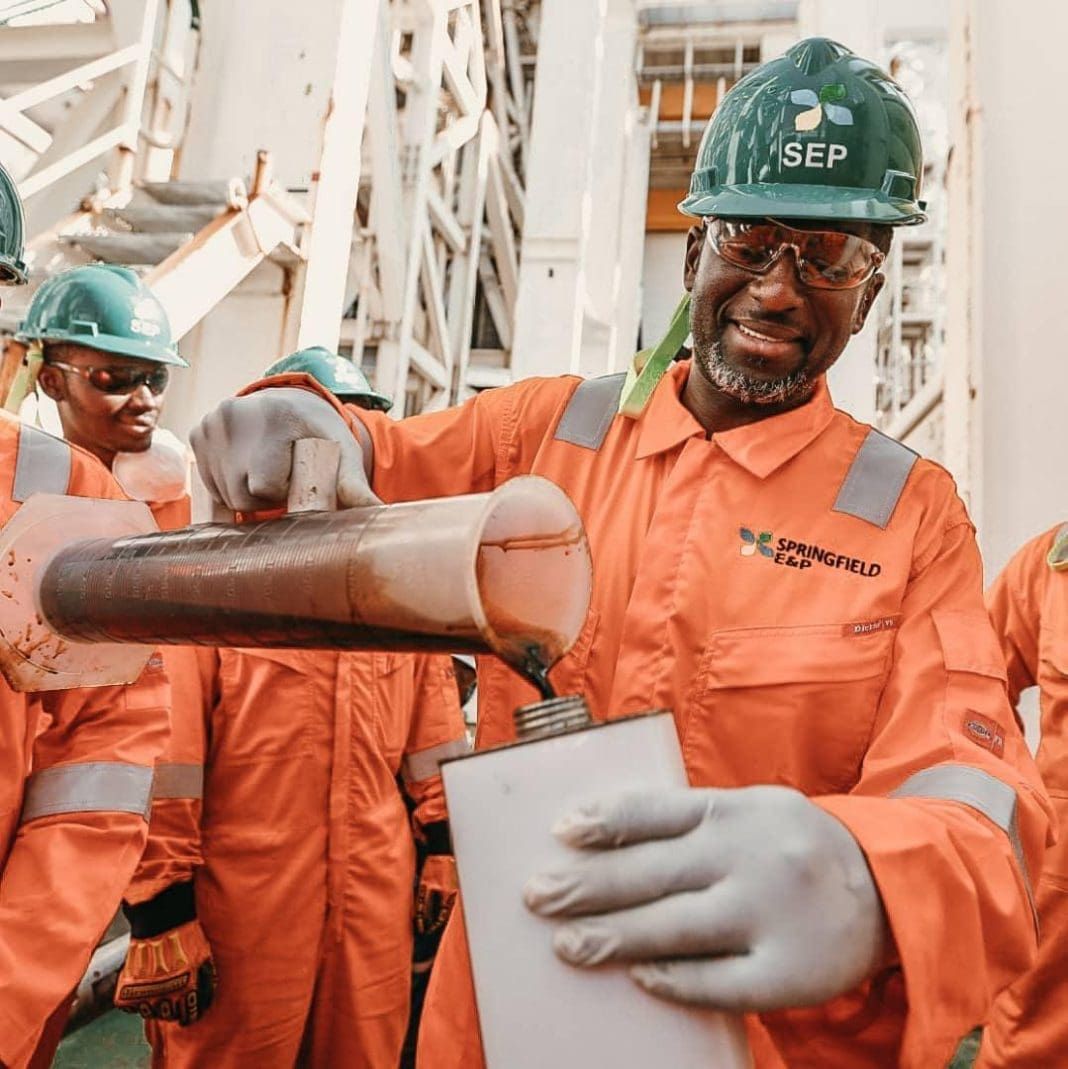

- Inside Springfield’s New Media Strategy: What They’re Telling Ghana —And What They’re Not
As the government accelerates steps toward an independent technical and commercial valuation of Springfield Exploration and Production’s (SEP) West Cape Three Points Block 2 (WCTP-2) stake, a parallel battle is unfolding not in the oilfields nor in the data rooms but in the media.
Over the past weeks, a wave of favourable commentary, unknown expert quotes, and ministerial praise has begun circulating across Ghanaian media platforms. Together, they point to a coordinated narrative repositioning strategy designed to recast Springfield and its founder, Kevin Okyere, not as a company under financial and regulatory strain, but as a national champion whose work must be protected.
What is emerging is a deliberate and sophisticated effort to shift public sentiment just as the government moves into the most sensitive phase of the valuation.
This is the story of what Springfield is telling Ghana and what some experts say it is leaving out.
For months, Springfield maintained a low media profile as scrutiny mounted over its stalled development of the Afina discovery, conflicting technical assessments by the Petroleum Commission, a US$94 million arbitration filed by Swiss trader Petraco, EOCO’s ongoing investigations into Springfield-related entities, and questions about its liquidity and capacity to fund development
But the last two weeks marked a dramatic shift. A highly polished stories praising Springfield’s achievements, risk-taking, and national significance began circulating, quoting unnamed industry experts who described Mr Okyere as “one of the boldest indigenous risk-takers in Africa’s upstream sector.”
The message was unmistakable: Springfield is not a distressed asset, but it is a national treasure that must be protected. This is the first pillar of the new strategy.
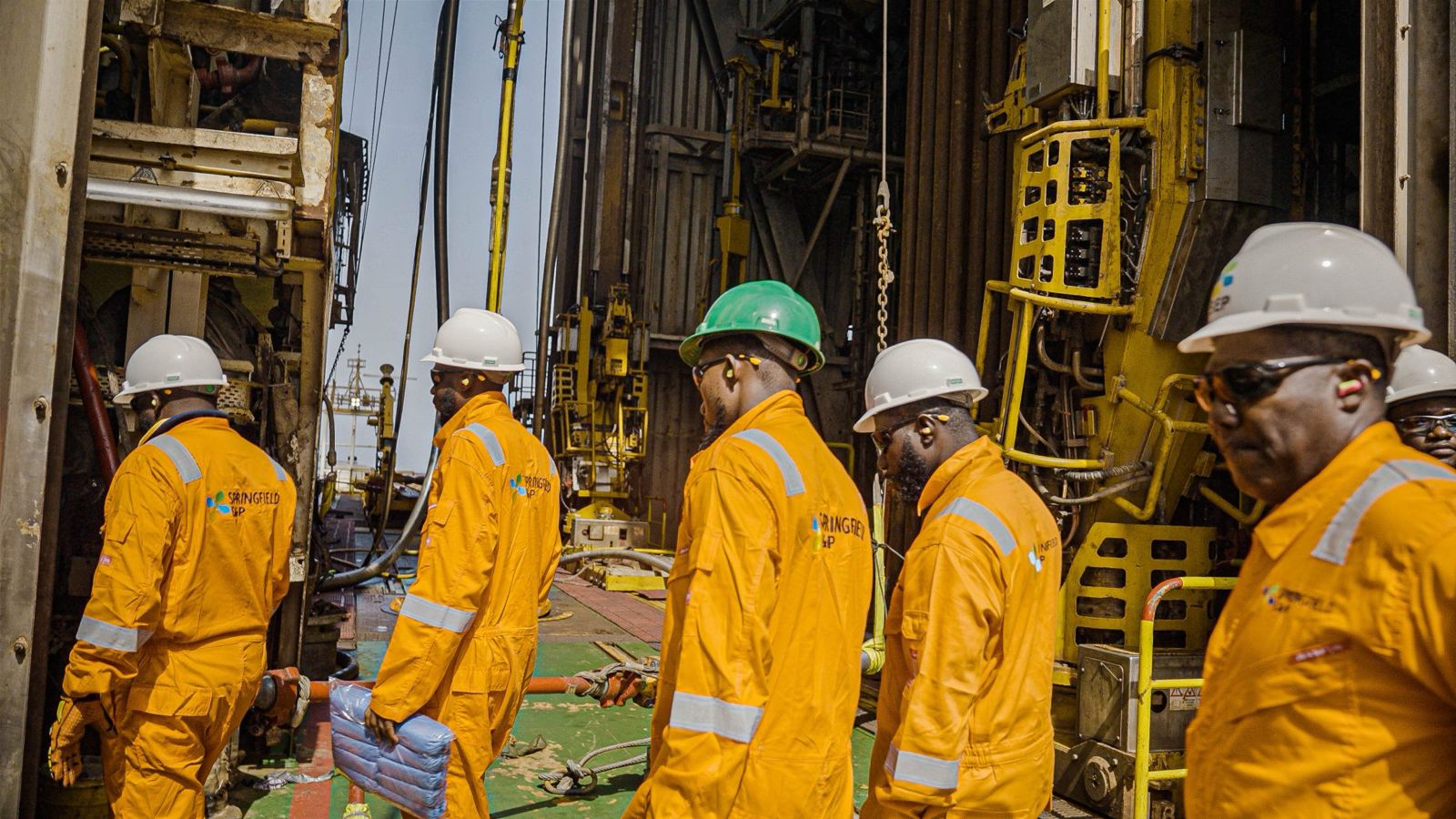
A close review of the messaging shows a clear emphasis on the following themes:
- Kevin Okyere’s personal courage: The story foregrounds the Springfield CEO as a visionary who defied sceptics to achieve what foreign majors often struggle to deliver: a deepwater discovery.
- Heavy financial investment by an indigenous company: Figures such as US$280 million spent and US$9 million on seismic are highlighted repeatedly.
- Appraisal speed and technical execution: Experts are quoted describing the appraisal as “completed in three months”, intended to signal efficiency and competence.
- Government synergy: Energy Minister John Jinapor’s praise for Springfield as a “trailblazer” is strategically amplified, positioning government and Springfield as aligned.
- The national-champion narrative: Arguments warning that “abandoning Springfield threatens indigenous participation” are meant to evoke patriotism, not technical scrutiny.
Each theme speaks to a carefully crafted objective to reshape public perception ahead of the valuation report.
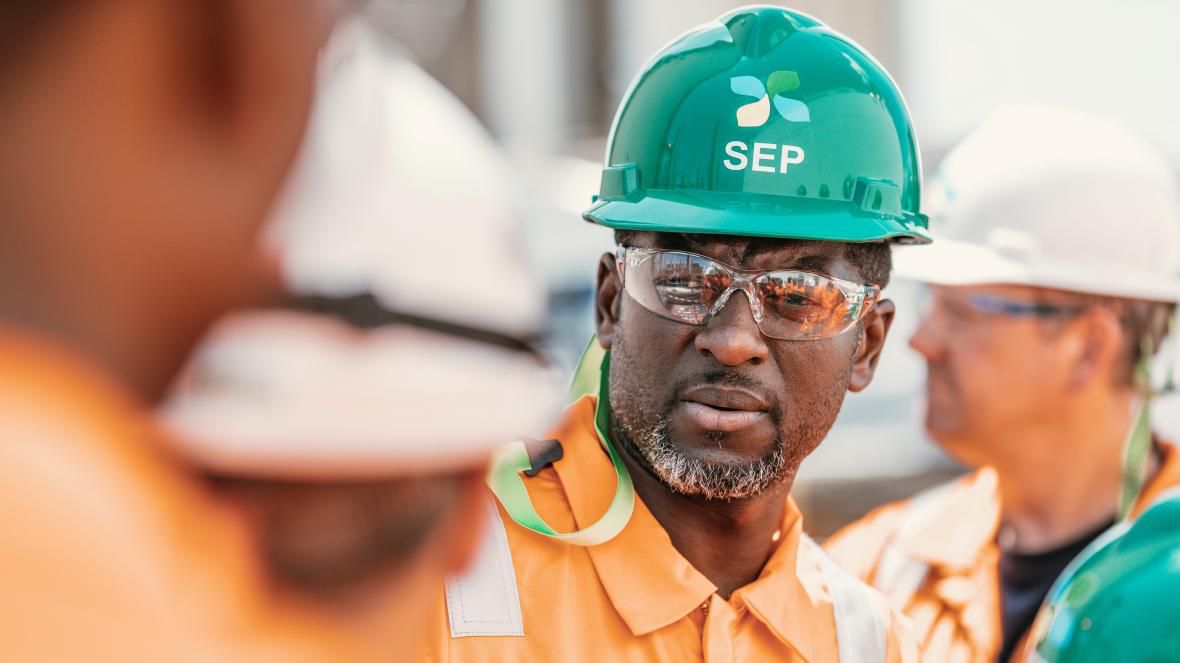
But what is conspicuously missing from Springfield’s media push is just as telling. Below is what we did not find in the media or PR push.
- The Petroleum Commission’s (PC) technical doubts
Notably absent is mention of the PC’s concerns that:
- Afina’s flow rates may be far lower than publicised.
- MDT data may be not as put out
- Reservoir connectivity claims may not be technically defensible
These are the very issues an independent appraisal will scrutinise.
- Springfield’s liquidity constraints
The article does not reference:
- Springfield’s inability to raise development financing
- Default events leading to Petraco’s arbitration
- The company’s dependence on the founder’s personal financing
These omissions downplay the financial fragility the government must assess.
- The Petraco dispute & enforcement in Dubai
There is no mention that:
- Petraco is seeking repayment of nearly US$94m
- Springfield affiliates were subject to enforcement measures
- The case could expose residual liabilities that complicate a government takeover
This is a deliberate omission; raising it would undermine the “national treasure” storyline.
- EOCO investigations
Springfield avoids referencing:
- Two active EOCO probes involving associated entities
- The possibility that Okyere’s return to Ghana may trigger compulsory engagements
These investigations have direct implications for governance and investor confidence.
- Why has development stalled for years
Even though WCTP-2 was acquired in 2012 and ratified in 2016, the story does not explain:
- Why Springfield did not secure a development partner
- Why did unitisation talks with ENI collapse
- Why has the block produced no oil after massive spending
Analysts who monitor PR strategy note that the timing is not accidental. Government is preparing to launch an independent technical valuation, a commercial audit of Springfield’s expenditure claims, and a legal review of encumbrances affecting the asset
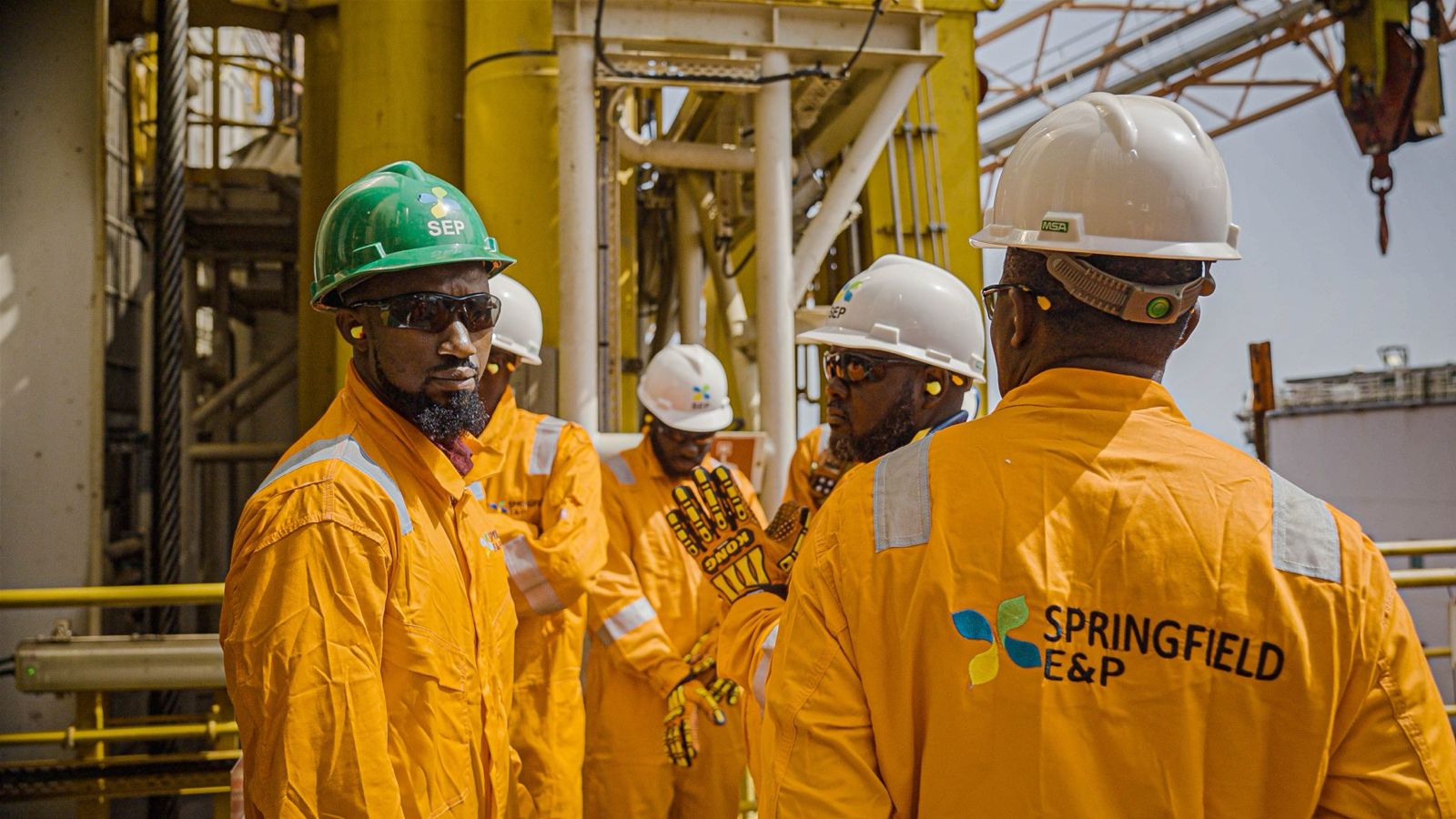
Meanwhile, Springfield’s media narrative seeks to preserve goodwill in case the valuation downgrades Afina, influence public opinion toward a sympathetic posture, frame government support as patriotic, not risky, and finally reduce the political cost if the government ultimately buys the asset
In the words of one governance analyst, “this is reputational insulation. Springfield is ensuring that whatever the valuation reveals, the public sees them as courageous pioneers, not a company in distress.”
The Ministry of Energy and Transitions now faces a delicate balancing act of supporting indigenous ambition, maintaining technical discipline, avoiding moral hazard, upholding transparency, and, more importantly, protecting public funds.
Minister John Jinapor MP has already positioned himself firmly: “We will not spend one cedi without proof.” But the Springfield narrative seeks to ensure that if the government does support them, the public perceives it as national progress, not a bailout.
Springfield’s media campaign is neither accidental nor benign. It is a strategic preemptive effort to shape public sentiment, political perception, government posture, CSO critique, and the tone of national debate. We can tell you that it is a story built on real achievements, yes, but also engineered silences.
As Ghana awaits the valuation that will determine the fate of Afina and WCTP-2, the battle for narrative dominance has already begun.

