

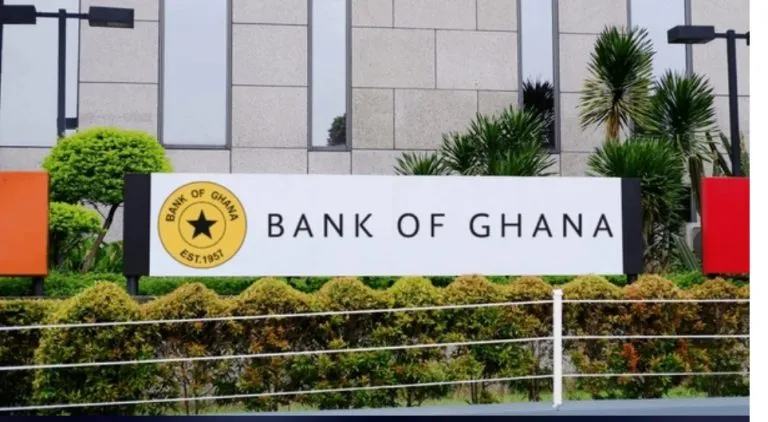

Rural Banks Transition to Community Banks Under BoG’s Revised Microfinance Framework
Rural and Community Banks (RCBs) are set to undergo a major structural transition into Community Banks effective March 31, 2026, in line with a directive issued by the Bank of Ghana (BoG), marking a significant shift in Ghana’s microfinance regulatory landscape.
The transition, barring any last-minute regulatory forbearance, forms part of the BoG’s Revised Microfinance Sector Framework aimed at strengthening financial system stability, enhancing corporate governance, and deepening financial inclusion.
The new framework replaces the existing Tier 1–4 classification with four redefined categories – Community Banks, Microfinance Banks, Credit Unions, and Last-Mile Providers. Under this structure, Community Banks will operate as licensed deposit-taking institutions with a broader mandate to serve both rural and urban populations.
Although the transition takes effect at end-March, the BoG has outlined a phased compliance approach, granting institutions up to December 31, 2026, to fully meet key regulatory requirements, particularly revised minimum capital thresholds.
Per the directive, existing Community Banks are required to maintain a minimum stated capital of GH¢5 million, while newly established urban Community Banks must meet a higher threshold of GH¢10 million.
Institutions unable to meet the new capital requirements are expected to submit recapitalisation plans to the BoG by June 30, 2026. These plans may include mergers, acquisitions, or the transfer of assets and liabilities to stronger institutions within the sector.
In a related development, ARB Apex Bank Limited has been restructured to function as a central services institution, providing operational and financial support to Community Banks under the new regime.
The BoG maintains that the reform measures are intended to address persistent structural weaknesses within the microfinance sector, while fostering a more resilient, efficient, and inclusive financial ecosystem.

