


- Steve Ballmer Accepts Record US$30mn Fine as NBA Punishes Clippers Over Salary-Cap Violations
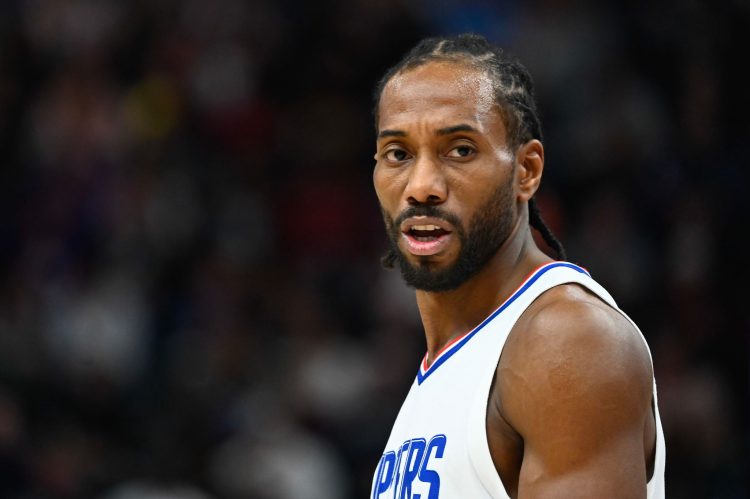
Los Angeles Clippers owner Steve Ballmer has accepted a US$30 million fine and a one-year suspension after the NBA concluded that the franchise violated salary-cap rules by facilitating improper off-court income arrangements for star forward Kawhi Leonard.
Ballmer, the former Microsoft chief executive, said the Clippers had paid the fine and would comply with the league’s sanctions, bringing a marked change in tone after the organisation initially disputed the findings and considered challenging the punishment.
“I want to apologize to our fans, employees and my fellow NBA team owners for the distraction and the distress this matter has caused, for which I accept responsibility as principal owner,” Ballmer said in a statement cited by Citi Sports.
The penalties are among the most severe ever imposed on an NBA franchise for salary-cap circumvention.
Beyond the US$30 million fine, the league stripped the Clippers of five first-round draft picks one in each year from 2029 through 2033 and suspended Ballmer from all league and team activities for one year.
The NBA also imposed sanctions on senior Clippers executives. President of Business Operations Gillian Zucker was suspended without pay for one year after investigators found her directly involved in the impermissible endorsement arrangements and said she had provided false or misleading statements during the investigation.
President of Basketball Operations Lawrence Frank received a six-month unpaid suspension for his involvement in the arrangements and for approving expenses incurred by Leonard and his family that the league deemed improper.
Leonard himself was ordered to pay the NBA US$700,000, while his uncle and former business manager, Dennis Robertson, was banned from conducting business with NBA teams and their affiliates on behalf of players or other personnel for five years.
The sanctions followed an independent investigation conducted by the law firm Wachtell, Lipton, Rosen & Katz.
According to the NBA, investigators uncovered what the league described as a pattern of misconduct in which the Clippers helped create off-court income opportunities for Leonard with companies that had business relationships with the franchise.
Those companies included Aspiration Partners, Boingo Wireless, Daktronics and Lockton Insurance.
The league said the Clippers not only introduced Leonard to potential sponsors but also facilitated endorsement agreements and, in some instances, offered team business as an inducement for companies to enter into deals with the player.
Investigators also found that the organisation paid certain personal expenses for Leonard and his representatives and failed to report improper requests for additional off-court income made on Leonard’s behalf.
The NBA concluded that Ballmer knowingly sought to help Leonard obtain external income and approved a business arrangement involving Aspiration that he knew was a precondition for the company entering into an endorsement agreement with the player.
The matter cuts to the heart of how the NBA regulates competitive balance. The league’s salary cap is designed to limit how much teams can compensate players while preventing wealthier owners from using outside arrangements to effectively provide additional remuneration beyond what is recorded in player contracts.
NBA Commissioner Adam Silver described the system for determining player compensation as a fundamental part of the league’s competitive structure and said the severity of the punishment reflected the seriousness of the Clippers’ violations.
The financial penalty alone is substantial, but the loss of five first-round selections could prove considerably more damaging to the franchise over the longer term.
Draft picks represent one of the NBA’s most valuable mechanisms for acquiring young talent at controlled salary levels. Losing five consecutive first-round selections significantly reduces the Clippers’ ability to rebuild through the draft, make trades involving future assets or respond flexibly to changes in the roster.
The league has also placed the franchise and its personnel under a compliance and monitoring programme for five years, extending regulatory oversight well beyond Ballmer’s suspension.
The investigation has also attracted attention outside basketball. Reuters reported that federal prosecutors in Brooklyn are examining the Clippers’ dealings with Leonard, with the inquiry reportedly involving subpoenas and the possibility of grand jury proceedings.
That investigation is separate from the NBA’s disciplinary process and does not establish criminal wrongdoing.
The controversy has already affected basketball operations. Leonard’s return to the Toronto Raptors was delayed while the league completed its investigation, with the transaction ultimately finalised on September 14. Toronto received Leonard while the Clippers acquired Brandon Ingram, Gradey Dick and a package of draft assets.
Ballmer has now indicated that the organisation wants to move beyond the episode.
“We have communicated to the NBA that we are complying to the penalties assessed by the league, have paid the US$30 million fine and are moving forward,” he said.
But the consequences will extend well beyond the cheque. The Clippers must operate without their owner for a year, manage leadership suspensions, function under enhanced league monitoring and contend with the loss of five first-round picks stretching deep into the next decade.
For a franchise built around one of the NBA’s wealthiest owners, the case is also a reminder that the league’s competitive rules are intended to limit the extent to which financial power can be converted into advantages outside the collectively bargained salary system.

