

- Ghana Pushes Africa’s Digital Trade Ambition Into Pilot Phase — Veep
Ghana is preparing to work with Rwanda, Zambia and other African partners to pilot a continental digital trade corridor aimed at strengthening cross-border commerce, financial connectivity and digital integration across the continent.
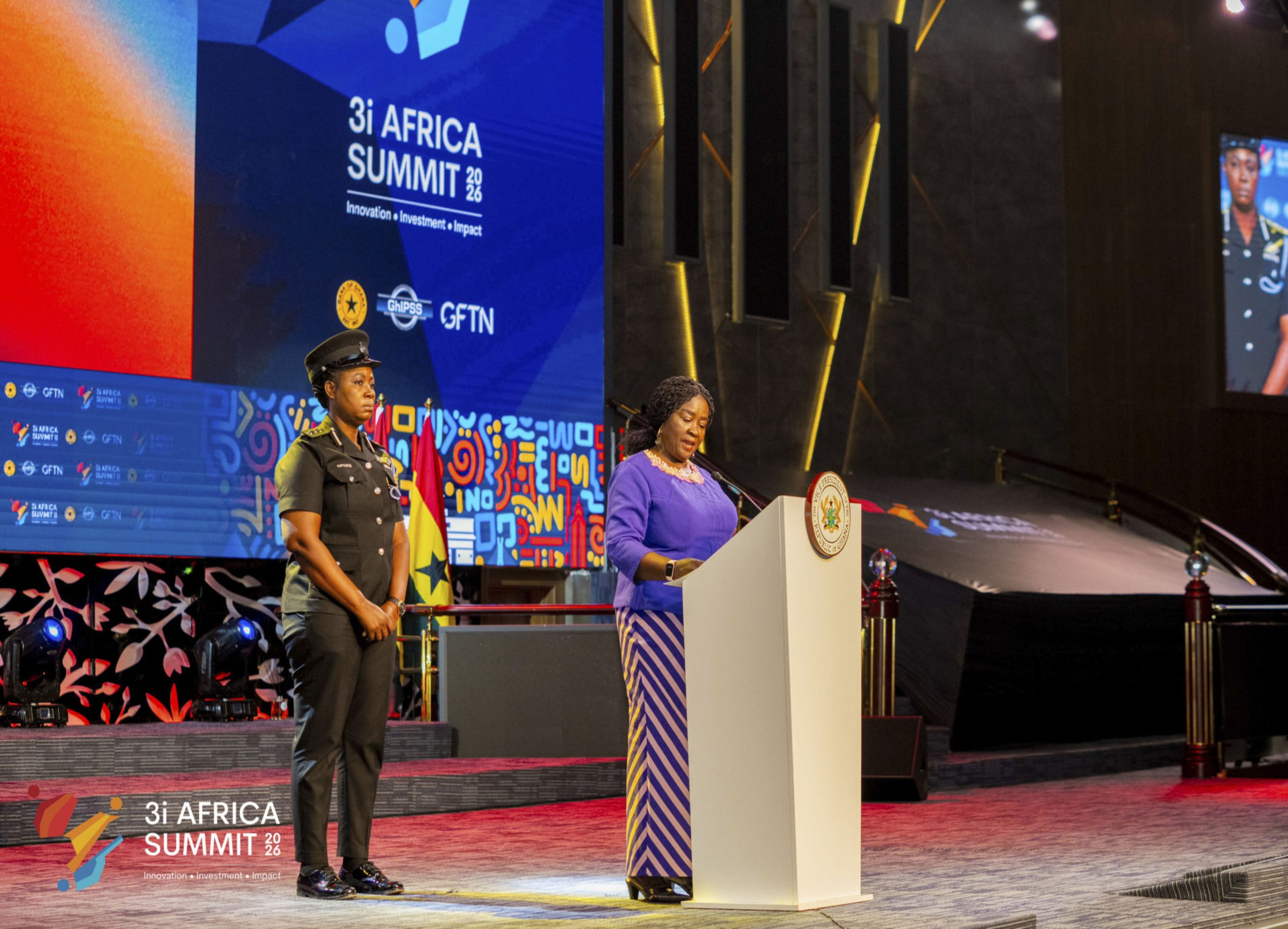
Vice President Jane Naana Opoku-Agyemang announced the initiative at the 3i Africa Summit 2026 opening, saying Africa’s youthful population and fast-growing technology adoption have placed the continent in a strong position to shape the next phase of global digital growth.
Speaking on the summit theme, “Innovation, Investment and Impact in Africa’s Fintech Ecosystem,” she said emerging markets will play an increasingly important role in defining the future of digital development, particularly in cross-border trade, agriculture, health, education and public service delivery.
According to her, Ghana is committed to ensuring that regional integration efforts move beyond conference declarations and are translated into practical interventions across partner countries.
“To that end, allow me to announce a concrete step. Ghana will work with Rwanda, Zambia and other partners to pilot a continental digital trade corridor,” she stated.
The proposed corridor will be implemented, tested and measured, with emphasis on practical digital infrastructure that can reduce friction in cross-border commerce.
Key focus areas will include mobile money interoperability, mutual recognition of digital identity for cross-border know-your-customer processes, and harmonised electronic invoicing systems.
The initiative is expected to support more efficient trade settlement, smoother verification of customers and businesses across borders, and stronger trust in digital transactions between participating countries.
For Ghana, the pilot marks an attempt to position the country as a key player in Africa’s digital trade architecture, building on its role in hosting the African Continental Free Trade Area Secretariat and its growing fintech ecosystem.
The Vice President said the project forms part of broader efforts to deepen digital economic integration and improve the efficiency of intra-African trade.
The move also reflects one of the major gaps in Africa’s integration agenda: while trade agreements are expanding, digital systems across countries remain fragmented. Payment systems, identity verification processes, tax documentation and invoicing frameworks often differ sharply across borders, increasing transaction costs and slowing business activity.
A functioning digital trade corridor could therefore offer a practical test case for how African countries can use technology to reduce non-tariff barriers, support small businesses, formalise cross-border transactions and improve revenue assurance.
Mobile money interoperability is especially significant. Across many African markets, mobile money has become the dominant digital financial service, but cross-border use remains limited by regulatory, technical and settlement barriers. A corridor model could test how wallets, banks and fintech platforms can communicate across jurisdictions.
Mutual recognition of digital identity could also help simplify know-your-customer checks for businesses and individuals engaged in regional trade, while harmonised e-invoicing could improve transparency, tax compliance and documentation.
The success of the pilot will depend on regulatory alignment, data protection safeguards, cybersecurity standards, central bank coordination, telecoms participation and the willingness of countries to harmonise technical systems. It will also require private-sector participation from banks, fintechs, payment service providers, mobile network operators and logistics platforms.
If successful, the Ghana-led pilot could provide a model for wider continental adoption, particularly as African countries seek to turn the promise of the African Continental Free Trade Area into measurable trade flows.

