


- PFAG Appeals for Urgent Support After Floods as Farmers Lose Crops, Roads and Warehouses
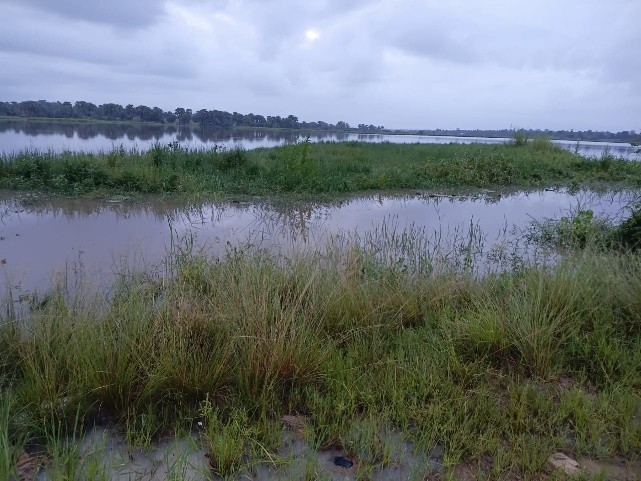
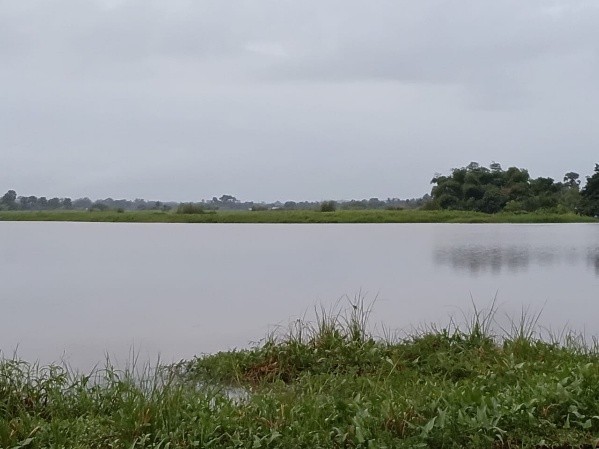
The Weta Rice Farming Community in the Ketu North Municipality of the Volta Region has been hit by devastating floods following torrential rains that submerged large portions of cultivated rice fields and destroyed critical farming infrastructure.
Weta, one of Ghana’s important rice-producing communities, cultivates about 800 hectares of rice farmland and supports thousands of farming households whose livelihoods depend directly on seasonal production.
According to local farmer representatives, more than 200 acres of cultivated rice fields have been submerged and destroyed, leaving hundreds of smallholder farmers facing heavy financial losses after investing in land preparation, planting and crop management.
The destruction represents a major setback for farmers who were already well into the production season. Many had committed personal savings, borrowed funds and labour to prepare their fields, only to watch the floods wipe out crops within hours.
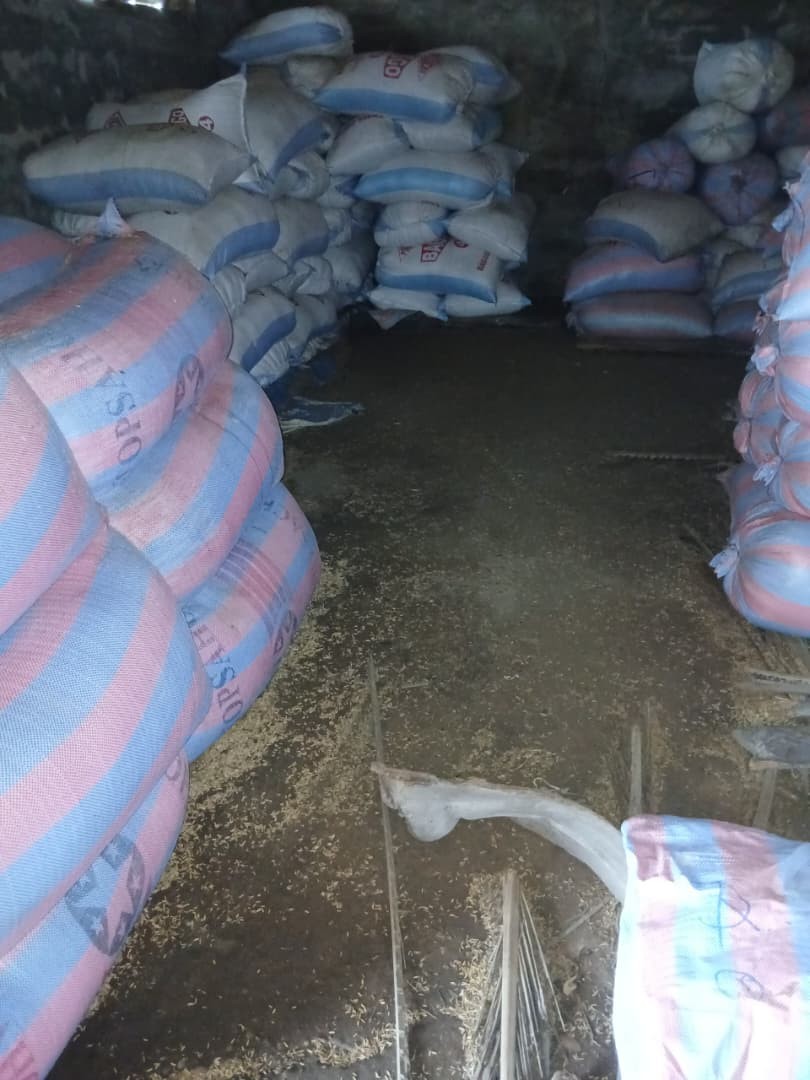
The flooding has also damaged roads and access paths leading to the farms, cutting off farmers from their fields and making it difficult to transport inputs, equipment and produce. Warehouses and Sections 2, 4 and 5 of the farming area have also been severely affected.
The disaster has affected more than 1,024 households, with an estimated 5,000 people directly impacted. For many families, the rice farms are their primary source of income, food security and economic survival.
The damage is therefore not only agricultural. It is also a livelihood crisis for households that depend on rice cultivation to pay school fees, meet health costs, service loans and sustain daily living.
Speaking on the situation, Mr Yohaness Fiagah, Focal Person for the Peasant Farmers Association of Ghana in the Ketu North Municipality, described the disaster as one of the worst to hit the Weta rice farming community in recent years.
“This disaster has left our farmers devastated. Many have invested their life savings into this farming season, only to see their rice fields destroyed within hours,” he said.
He noted that the destruction of roads, farm access routes and warehouses had made the situation even more critical, as farmers are unable to fully assess losses or begin recovery efforts.
“The destruction of our roads, farm access routes, and warehouses has made the situation even more critical. We urgently appeal to the Government of Ghana, the Ministry of Food and Agriculture, NADMO, development partners, and all well-meaning organizations to come to the aid of the affected farmers,” Mr Fiagah said.
He called for immediate intervention to restore livelihoods, rehabilitate damaged infrastructure and help affected farmers return to production as quickly as possible.
The appeal comes at a time when Ghana is seeking to reduce dependence on imported rice and strengthen domestic food production. Any major disruption in a key rice-producing community such as Weta could affect local supply, farmer incomes and food security in the municipality and beyond.
For smallholder farmers, flood damage is especially severe because most do not have crop insurance or sufficient savings to absorb such shocks. Once fields are destroyed, the losses extend beyond the current harvest to future production cycles, particularly where seed, fertiliser and working capital have been lost.
The damage to warehouses also raises concerns over storage, post-harvest management and the safety of any produce or inputs that may have been kept in the affected facilities.
The Weta disaster highlights the growing vulnerability of farming communities to extreme weather events. Without stronger drainage systems, resilient farm roads, improved irrigation management and emergency response support, communities that are central to Ghana’s food production remain exposed to repeated climate-related shocks.
For now, the affected farmers are calling for urgent relief, including food support, farm input replacement, rehabilitation of access roads and assistance to restore damaged production areas.
The situation in Weta is a reminder that Ghana’s food security depends not only on planting more crops, but on protecting the farmers and infrastructure that keep local production alive.

