

President Mahama Convenes Emergency Cabinet Meeting as Global Tensions Push Fuel Prices Up
President John Dramani Mahama has announced an emergency cabinet meeting to address rising fuel prices, driven by escalating tensions between Iran and Israel, which have disrupted global oil markets.
Speaking at the Kwahu Business Forum, the President acknowledged the sharp increase in petroleum prices and its impact on Ghana’s economy, while assuring citizens that the situation is being actively managed.
According to President Mahama, the ongoing conflict between Iran and Israel has triggered a surge in crude oil prices on the international market – from about $68 per barrel to nearly $120 per barrel.
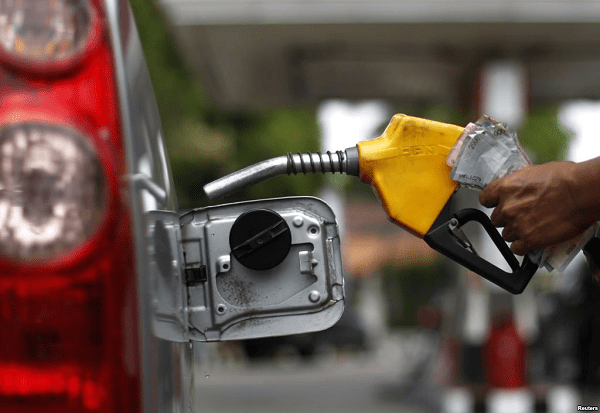
This spike has had a direct effect on fuel prices in Ghana. Petrol, which previously sold at around GH₵10–11 per litre, is now going for about GH₵13, while diesel prices have climbed to between GH₵15 and GH₵16 per litre.
The President noted that the sudden escalation caught many off guard.
“All of us didn’t expect this was coming. Government is closely monitoring developments and hoping for a swift resolution to the conflict,” he said.
In response, President Mahama revealed that he has called an emergency cabinet meeting to deliberate on interventions aimed at cushioning consumers from the impact of rising fuel costs.
Key among the measures being considered are adjustments to fuel-related levies and pricing margins.
“There are some tweaking we can do in terms of levies and margins and other things in order to maintain a stable price while we pray that the war comes to an end,” he explained.
While details of the proposed measures are yet to be finalised, the move signals government’s intent to stabilise prices in the short term and prevent further economic strain.
Despite the external shocks, President Mahama expressed confidence in the resilience of Ghana’s economy, insisting that the current crisis will not derail economic stability.
“I can confidently tell you that the economy is not going to crash because of the war,” he assured.
The President also commended transport unions for their restraint in holding off fare increases despite rising operational costs.
Public transport fares are often directly influenced by fuel prices and any upward adjustment could significantly affect the cost of living.
“I want to express my sincere gratitude to the transport unions for being very patient with us… I’m sure they will continue to hold on,” he said.
Fuel prices remain a critical component of Ghana’s economic structure, influencing inflation, transportation costs and the prices of goods and services.
The latest developments underscore Ghana’s vulnerability to global energy shocks, particularly given its reliance on imported refined petroleum products despite being an oil-producing country.
As the government prepares to roll out potential interventions, much will depend on how quickly tensions between Iran and Israel de-escalate and whether global oil prices stabilise in the coming weeks.
For now, all eyes are on the outcome of the emergency cabinet meeting – and the relief measures it may bring to consumers already grappling with rising living costs.

