


- Red Bull junior Nikola Tsolov makes F1 test debut as Racing Bulls’ 2027 seat battle intensifies
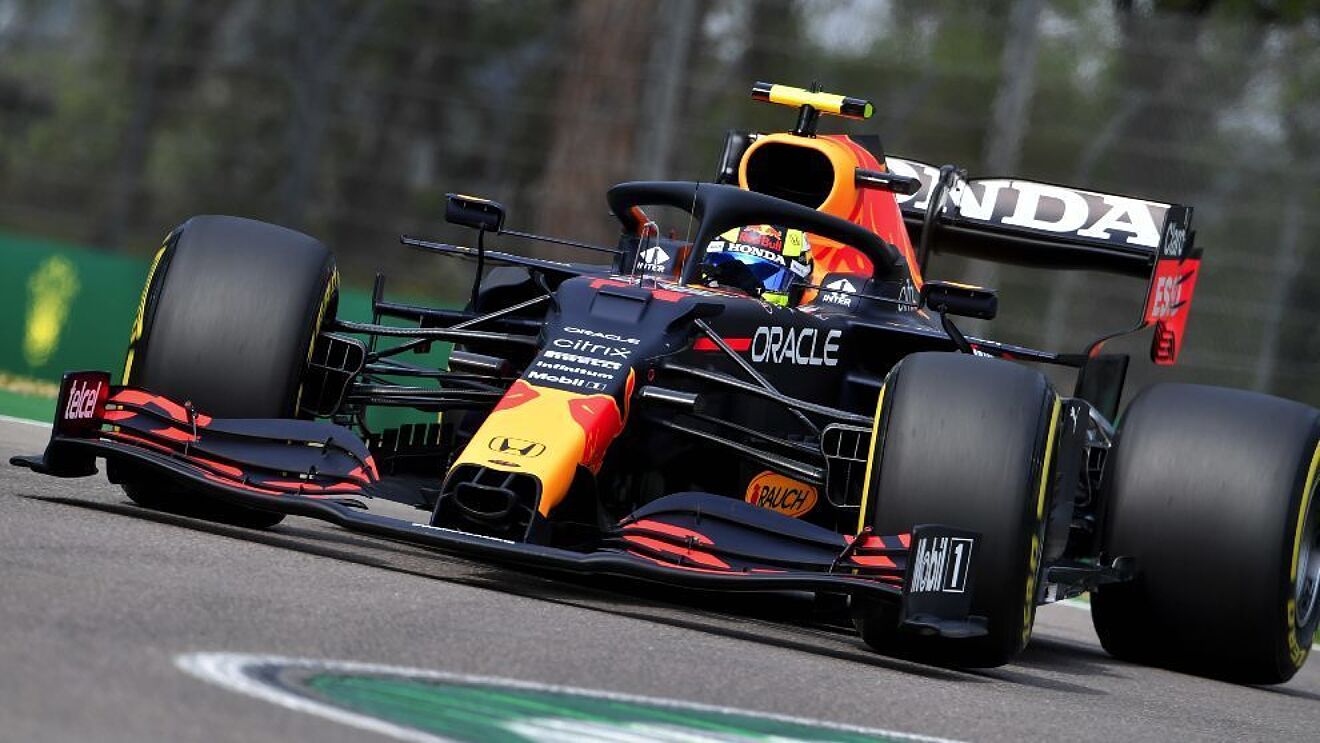
Red Bull junior Nikola Tsolov has taken a significant step towards Formula 1 after making his testing debut in a Racing Bulls car at Imola, sharpening competition around the team’s 2027 driver line-up.
The 19-year-old Bulgarian drove one of Racing Bulls’ previous cars under Formula 1’s Testing of Previous Cars regulations, giving Red Bull an opportunity to assess one of the strongest prospects in its junior system in machinery closer to the demands of the top category.
Tsolov’s promotion into F1 testing comes at an important moment in his development.
He currently leads the Formula 2 championship by 20 points and has already won six races in his debut season in the category, having finished runner-up in Formula 3 last year.
Those results have pushed him firmly into the conversation around Red Bull’s future driver planning.
Racing Bulls have not yet finalised their 2027 line-up, and the team’s current drivers, Liam Lawson and rookie Arvid Lindblad, are both enjoying strong campaigns. The team sits fifth in the Constructors’ Championship, giving management little reason to make an early decision while several options remain competitive.
Lawson brings greater Formula 1 experience and has shown strong pace in both qualifying and races, while Lindblad is building his reputation in his rookie season. Tsolov, meanwhile, is applying pressure from below by turning his junior-category form into opportunities behind the wheel of an F1 car.
Racing Bulls chief executive Peter Bayer made clear that all three drivers are being monitored closely.
“Arvid and Liam are both doing a fantastic job,” Bayer said, adding that Tsolov was also performing strongly in Formula 2 and would be given the Imola test as part of his development.
The comments underline how Red Bull traditionally uses Racing Bulls not only as a competitive Formula 1 team but also as an important pathway for evaluating and developing young drivers.
For Tsolov, the Imola outing therefore represents more than a ceremonial first taste of Formula 1 machinery.
Testing of Previous Cars gives junior drivers the opportunity to build experience in an F1 environment without affecting a team’s current-season testing restrictions. That means Red Bull can assess how quickly Tsolov adapts to the braking forces, acceleration, procedures and technical complexity of a Formula 1 car while continuing his Formula 2 campaign.
His six wins this season have already demonstrated race-winning ability, but Formula 1 selection within the Red Bull system has rarely depended on junior results alone.
Drivers are also assessed on consistency, technical feedback, adaptability and whether they can perform under the intense pressure that comes with the Red Bull driver programme.
Tsolov’s position at the top of Formula 2 therefore gives him momentum, but not certainty.
Bayer said Lawson had shown strong pace in both qualifying and races, while Lindblad’s campaign has also been viewed positively. That leaves Racing Bulls with the possibility of retaining continuity rather than making an immediate change.
“Ultimately, the driver line-up for next year is a decision for Alan [Permane, Racing Bulls’ team principal] to take, and so he will do the best thing for the team,” Bayer said.
It suggests performance rather than reputation will remain central to the 2027 decision, which keeps the pressure on all of Red Bull’s candidates.
For Lawson, the task is to make his existing F1 experience too valuable to surrender.
For Lindblad, the objective is to prove that his rookie promise justifies longer-term investment.
For Tsolov, every Formula 2 result and every test opportunity strengthens the argument that he is ready for the next step.
Red Bull’s wider driver philosophy has always been built around competition.
The organisation has historically preferred to develop several prospects at once rather than commit early to one pathway, creating a system in which young drivers know that promotion depends on delivering consistently.
By putting him in a Racing Bulls car now, Red Bull gains time to evaluate him before the 2027 market crystallises.
That could also prove valuable if circumstances elsewhere in the Red Bull structure change.
Formula 1 driver markets can move quickly, and teams increasingly value having multiple prepared options rather than scrambling for alternatives late in a season.
Tsolov’s testing programme therefore gives Red Bull flexibility even if Racing Bulls ultimately retain Lawson and Lindblad.
A year ago, he was competing in Formula 3. He is now leading Formula 2 and has completed his first Formula 1 test.
The next challenge will be maintaining that trajectory through the closing stages of the F2 season and showing that his performance at junior level can translate into the technical and physical demands of Formula 1.

